
Inside Wildland Fire Response Readiness: What Communities Should Know
Travis Bateman
Farmer Staff Writer
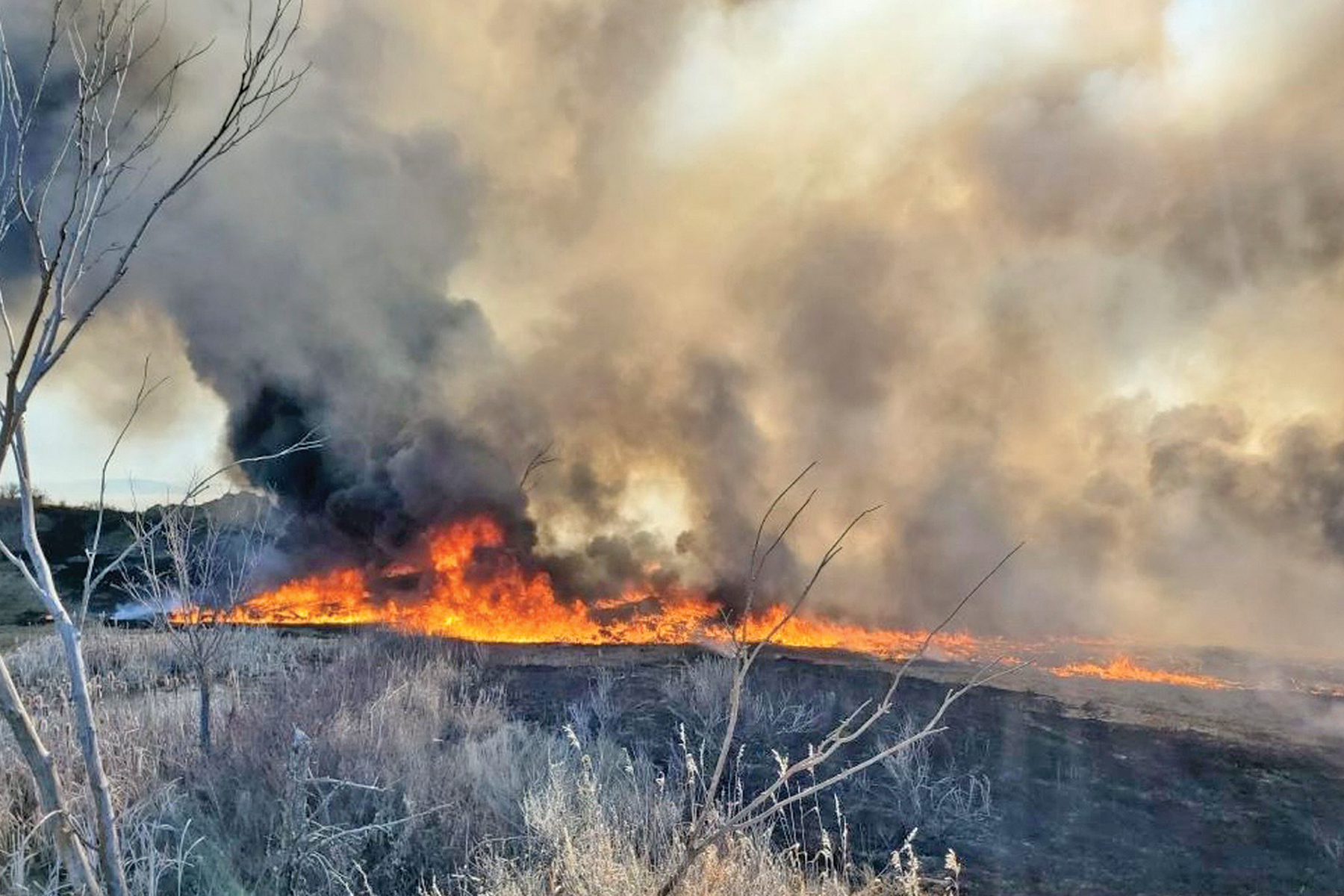
Pre-staging and preplanning for wildland fires and the response, mitigation, recovery, and coordination of firefighting efforts are all essential steps that take place these days with fires becoming more intense and conditions allowing for faster, hotter burning atop the availability of abundant fuels that induces rapid spread.
Something that is seemingly gone are terms like “fire season” as it has simply morphed into a “fire year.” At times on the low end of the op tempo scale. But it’s never more than one incident of conflagration or cluster of them over a small area or county and in a short time frame mixed with the overwhelming of available resources through volunteer fire districts that warrants and really, requires, additional layers of readiness and response.
This is where additional personnel, ground apparatus, and aerial support comes in from state, tribal, and federal wildland teams. And in the latest update, it’s even international via fixed-wing air tankers from Saskatchewan, Canada.
Recent inquiry on the readiness of fire crews given our drought conditions prompted a check in with Rick Schreiber. Schreiber wears many hats related to firefighting. One being the McKenzie County coordinator for the county burn bans, which reviews conditions and needed restrictions, and also serves as a liaison with other agencies responsible for firefighting and fire protection. The other hat worn is that of the fire district chief for the Arnegard Fire Protection District. Both require the person wearing them to stay in tune on a daily basis as to fire incidents, dangers, conditions, mutual aid departments, and when things really intensify, those additional tools and people beyond county level assets that can be called upon.
For the full story, visit www.watfordcitynd.com and subscribe to the McKenzie County Farmer today!